
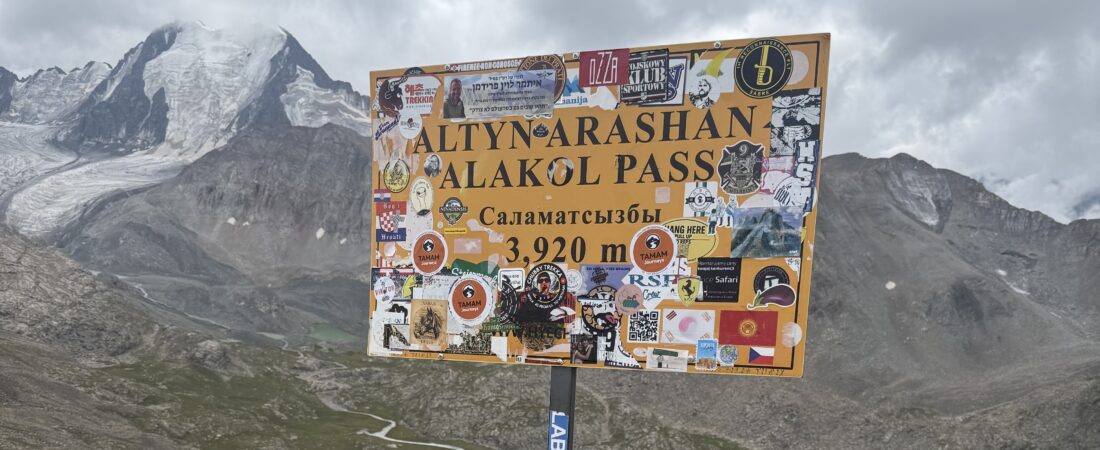
I am far from what anyone would consider a hiker.
The first time I really got into hiking was when I traveled through Laos and stayed above the clouds. That trip made me realize that maybe hiking was something I could actually do. But after that? I hadn’t really done a hike since.
So when I got to Kyrgyzstan and everyone kept telling me I had to do the Ala Kul hike, I was a little skeptical.
Everything I read online and everyone I talked to seemed to describe it as one of the hardest hikes they’d ever done.
Was it tough? Yes.
Can you do it if you’re reasonably physically fit — say, someone who goes to the gym once a week? 100% yes.
Would I do it again? Yes, but I’d make a few changes.
Below is my honest experience hiking Ala Kul self-guided and as an underprepared hiker, including what route we chose, where we stayed, what I wish I’d known, and whether I actually think it’s worth doing.
Table of Contents
ToggleAla Kul Hike: Quick Hits
Ala Kul Hike at a Glance
Location: Near Karakol, Kyrgyzstan
Route: Self-guided, 3 days
Difficulty: Challenging, especially Day 2
Fitness Level: Reasonably fit beginners can do it, but don’t underestimate it
Accommodation: Yurts + guesthouse
Best for: Hikers who want incredible mountain views without necessarily being experienced trekkers
Our Route: Bridge 1 → Sirota Camp → Ala Kul Lake → Ala Kul Pass → Altyn Arashan → Ak-Suu
Hiking Time: Roughly 4–5 hours Day 1, 10–12 hours Day 2, 5 hours Day 3
Park Entry: Around 300 som per person and 220 som to exit
Getting to Trailhead: Roughly 2,500–4,000 som per car from KarakolGetting back from Trail: Bus runs to Karakol for 50 som per person
Water: Bring a filter — don’t assume camps will have water
Cash: Bring plenty; you’ll need it for accommodation, park fees, water, snacks, and transportation
My Verdict: Absolutely worth it for the views, but I’d change how I did it next time.
How We Decided to Do the Ala Kul Hike
We arrived in Karakol fully expecting to do the Altyn Arashan hot springs hike and come back the next day.
Then we got to Snow Leopard Hostel.
A guide named Sam was helping a few travelers who were planning to do the Ala Kul hike, so we started asking him about how difficult it actually was.
His answer was basically that there were people in worse shape than us who had completed it without a problem.
That was enough convincing for us.
So, despite having very little hiking experience, we decided to go for it.
Options for Doing the Ala Kul Hike
There are several ways to complete the Ala Kul trek depending on how much time you have and how experienced you are.
Option 1: 3-Day Hike — The Route We Chose
This is the most common option.
Day 1: Start at Bridge 1 → Sirota Camp
Day 2: Sirota Camp → Ala Kul Lake → Ala Kul Pass → Altyn Arashan
Day 3: Altyn Arashan → approximately 15 km to the bus station near Ak-Suu
We chose this option because I was traveling with someone who doesn’t do particularly well at altitude, and we didn’t want to spend more time at higher elevation than necessary.
Option 2: 4-Day Hike
This follows essentially the same route but breaks it up more:
Day 1: Bridge 1 → Sirota Camp
Day 2: Sirota Camp → Ala Kul Lake
Day 3: Lake → Altyn Arashan
Day 4: Altyn Arashan → bus station
This would be a better option if you’d rather take your time and spend a night near the lake.
Option 3: Do the Route in Reverse
You can also start from the other side, hit the hot springs on Day 1, and work your way toward the lake and pass.
The downside is that the climb toward the pass from this direction is particularly steep.
Option 4: Do It in 1–2 Days
We also met people attempting to go up and back in one or two days.
This is possible for experienced hikers, but I wouldn’t recommend it if you’re new to hiking.
Where We Stayed: Yurts vs. Camping
I originally chose to stay in yurts because I wanted to minimize how much gear I had to carry.
As someone who isn’t an experienced hiker, the idea of not having to carry a tent, sleeping bag, and cooking equipment sounded pretty appealing.
The yurts also provide dinner and breakfast, which means you don’t have to carry as much food.
Sirota Camp
We were able to book our yurt through the hostel the day before our hike.
If you’re planning to stay here, I would recommend booking ahead.
We saw several people arrive later in the day without reservations and get turned away. There are only around 4–5 yurt camps at Sirota, so availability is limited compared with how popular the hike is.
And just to set expectations: these aren’t exactly luxury yurts.
The yurts cram around six people inside, with sleeping bags on the floor rather than beds.
The bathroom situation was also rough. The outhouse had a very deep, wide hole, and there was no toilet paper or sink.
The scenery, however, was gorgeous.
Everyone tends to arrive around the same time, so Sirota is also a great place to meet the other hikers you’ll probably keep running into throughout the next few days.
Mountain Nest at Altyn Arashan
For our second night, we stayed at Mountain Nest, which we booked through our hostel.
I cannot recommend this place enough.
Albina was one of the sweetest hosts we met in Kyrgyzstan, and she made some of the best food I had on the entire trip.
After a long day of hiking, we arrived to a huge plate of hearty pilaf, and it honestly tasted incredible.
The beds were bunk-bed style, but the accommodations were warm and comfortable.
There are also hot springs nearby. If you arrive earlier in the afternoon, you can reserve a 30-minute slot for around 250 som. We arrived much later, around 6:30 PM, but were still able to go around 9:30 PM.
After hiking all day, sitting in the hot springs was exactly what my legs needed.
How to Get to the Ala Kul Trailhead
There are a few different places you can be dropped off, but Bridge 1 is the most common starting point.
It takes around 45 minutes to get from central Karakol to Bridge 1.
You can arrange a Yandex ride or try to hitchhike, but we found the easiest option was asking our hostel if we could join a car with other hikers.
The cost was around 2,500–4,000 som per car, depending on the vehicle. The more people you split the ride with, the cheaper it becomes.
Starting at Bridge 2
You can also arrange to be dropped off at Bridge 2, which gets you much closer to Sirota Camp.
The catch is that the road is heavily off-road and the ride costs significantly more. We didn’t do this ourselves, but we heard prices around 8,000 som being quoted.
You may also see hikers getting dropped off before Bridge 1, but keep in mind that this can add 7+ km to your first day.
Park Entry Fee
Regardless of where you start, you’ll need to pay an eco fee to enter the park.
We paid around 300 som per person, and there can be an additional fee for the vehicle/driver.
Bring cash.
Day 1: Bridge 1 to Sirota Camp
After breakfast, we left Karakol around 8:45 AM and arrived at Bridge 1 at approximately 9:30 AM.
We paid the driver directly and headed across the bridge.
The beginning of the hike was actually beautiful and relatively easy, with a gradual incline. You walk alongside streams, pass horses grazing in the mountains, and occasionally see UAZ vans driving hikers toward Bridge 2.
This section took us around 4–5 hours, including a lunch stop.
I’d recommend stopping along the river before Bridge 2 for lunch. It’s a beautiful place to take a break and refuel before the difficult section begins.
We also had some unexpected rain showers that day, so we ended up wearing our rain jackets for much of the hike.
The Hard Part Begins at Bridge 2
Once you reach Bridge 2, things change.
From Bridge 2, it’s roughly a two-hour, very steep climb to Sirota Camp.
This was the first point where I really understood why everyone had told me the hike was difficult.
The views are incredible, though, so make sure to turn around once you get through the tree clearing. Looking back at where you came from makes the climb feel a little more worthwhile.
We arrived at Sirota around 2:30 PM.
Sirota Camp: What I Wish I Knew
The camp only accepts cash, so make sure you have enough with you.
We had also been told in Karakol that there would be water available at the camp.
There wasn’t.
The only drink we could purchase was warm beer.
Luckily, we’d rented a LifeStraw from our hostel, so we were able to filter water from the stream and even share it with some other hikers.
Bring a water filter.
Seriously.
The bathroom situation was also not great. There was no toilet paper and no sink, so definitely bring your own supplies.
Dinner was served around 6 PM and consisted of a small bowl of lentil soup and a cup of hot tea.
Thankfully, I still had some pastries left over from lunch.
While the accommodations weren’t exactly what I’d call comfortable, the scenery around Sirota was incredible. It’s also a fun social stop because most hikers arrive around the same time, so you get to meet the people you’ll likely see again and again throughout the trek.
Day 2: Sirota → Ala Kul Lake → Pass → Altyn Arashan
This is the day.
We got up at 5:45 AM, ate breakfast at 6 AM, and tried to get out the door as quickly as possible.
This is the longest and hardest day of the trek, so we wanted as much daylight as possible.
Breakfast consisted of eggs, a piece of toast, sausage, and tea.
We headed out around 6:45 AM.
Sirota to Ala Kul Lake
The first part of the trail isn’t particularly well marked. Essentially, you want to follow the river.
It took us around 2–3 hours to reach the lake, and a good portion of this section is a rock scramble.
Take your time here.
Drink water, take breaks, and don’t burn all your energy before you’ve even reached the lake. There’s still a lot of hiking ahead.
We reached Ala Kul Lake around 9:30 AM and spent about an hour there taking photos, eating snacks, and enjoying the view.
We were told that the weather tends to get worse later in the afternoon, so we wanted to cross the pass relatively early.
Climbing to Ala Kul Pass
This was probably the hardest section of the entire hike for me.
The altitude really started to get to me.
I was doing relatively okay for most of the climb, although I stopped for plenty of breaks. But the final 80 meters or so felt brutal.
Every step felt like I was dragging my feet through mud.
I just kept taking breaks and putting one foot in front of the other.
Eventually, we made it to the pass around 12:30 PM.
And once you get there, it’s absolutely worth it.
We spent about an hour at the top taking photos, enjoying the views, and chatting with other hikers before starting the descent.
The Descent: Steep, Slippery, and a Little Chaotic
If the climb to the pass is the hardest part physically, the descent is probably the part where you’ll want hiking poles the most.
It’s very steep and slippery, with loose gravel and dirt underneath your feet.
The path is also narrow, and you’ll have hikers coming up from the opposite direction, which can make things even more difficult.
We saw several people fall.
I even watched some Korean hikers basically slide their way down the mountain, one step at a time, which honestly looked like a pretty effective strategy.
Once you reach the bottom, you’ll find some yurt camps selling drinks and filtered water.
From here, the hardest part is technically over.
The Walk to Altyn Arashan
Now you have another 3–4 hours of walking to Altyn Arashan.
There is an option to take a horse from this point to Altyn Arashan if your legs have had enough. We saw several groups doing this, and you can arrange it at the yurt camps.
The rest of the trail is relatively straightforward, although there is one river crossing without a bridge.
Your shoes will probably get wet unless you’re very careful.
We arrived at Altyn Arashan around 6:30 PM.
We took quite a few breaks along the way because we wanted to stop for photos and actually enjoy the scenery rather than race to the finish.
And honestly, I’m glad we did.
Our Night at Altyn Arashan
We stayed at Mountain Nest and were greeted by Albina, who was incredible.
She cooked us a huge plate of pilaf, which may have been one of the best meals I had in Kyrgyzstan.
After spending the entire day hiking, it was exactly what I wanted.
We also went to the hot springs later that night.
Some people went earlier, but we didn’t arrive until around 6:30 PM. We still managed to get a slot around 9:30 PM, and soaking in the hot springs after that day was amazing.
The beds were bunk-bed style, but the hostel was warm and comfortable.
Day 3: Altyn Arashan to the Bus Station
We slept in a little and got up around 8 AM for breakfast at 8:30.
Breakfast was soup, eggs, and tea.
After breakfast, we paid the yurt/guesthouse owner and started walking around 9 AM.
This part of the hike isn’t particularly difficult, but it’s long and tough on your knees.
This is another place where hiking poles come in handy.
Near the end of the trail, you’ll need to pay another eco fee of around 220 som per person in cash.
From there, it’s roughly a 30-minute walk to the bus station.
Our final hiking section was approximately 15 km, and it took us around five hours with breaks.
Getting Back to Karakol
From the bus station, you can take the 501 marshrutka back to Karakol.
It’s supposedly meant to come every 20 minutes.
Supposedly.
This is Kyrgyzstan, so we ended up waiting around 40 minutes before one showed up.
The bus was already pretty full, and we spent most of the ride standing.
The cost was around 45–50 som per person, and it’s by far the easiest way we found to get back to Karakol.
Even better, the marshrutka stops right in front of Snow Leopard Hostel, which was extremely convenient.
We ended up staying an extra night at the hostel because they had availability, and the overnight transport we wanted to take to Bishkek was full.
Was the Ala Kul Hike Worth It?
Yes. Absolutely.
The views were stunning, and finishing the hike gave me a huge sense of accomplishment — especially considering how little hiking experience I had going into it.
Would I do it again?
Yes, but I’d make some changes.
The biggest thing I’d change is the accommodation.
Would I Stay in Yurts Again?
Probably not.
The first yurt cost us 3,400 som per person, and the second was 3,200 som per person.
For that price, I’d rather rent camping gear in Karakol, split the cost with someone, and bring it up myself.
It would also give me more flexibility over where and when I camp.
And honestly?
A bowl of boiled ramen would probably taste better than my Day 1 yurt dinner.
Plus, there is a restaurant and a fast-food truck at Altyn Arashan, so you don’t necessarily need to carry a ton of food for the second day if you don’t want to cook.
My Biggest Takeaways
If you’re like me and don’t consider yourself a hiker, don’t automatically rule out Ala Kul.
Was it hard? Yes.
Did I struggle? Definitely.
But I was also able to complete it without being an experienced hiker or having a high level of fitness.
My biggest advice would be:
- Start Day 2 early. You want as much time as possible.
- Take your time at altitude. There is no prize for being the fastest person up the pass.
- Bring hiking poles. Your knees will thank you.
- Bring a water filter. Don’t assume there will be water at Sirota.
- Bring cash. You’ll need it for camps, fees, water, transportation, and other expenses.
- Don’t overpack. Every extra kilo feels heavier once you’re climbing toward the pass.
- Book Sirota Camp in advance. We saw people get turned away.
- Don’t underestimate Day 2. It’s a long day.
- Enjoy the views. The whole reason you’re suffering is because the scenery is incredible.
For me, Ala Kul was one of those experiences where I kept thinking, “Why am I doing this?” while simultaneously knowing I’d be glad I did it once I reached the top.
And I was.
Would I do it again? 100%.
Just maybe with a lighter pack, my own camping gear, and better snacks.